
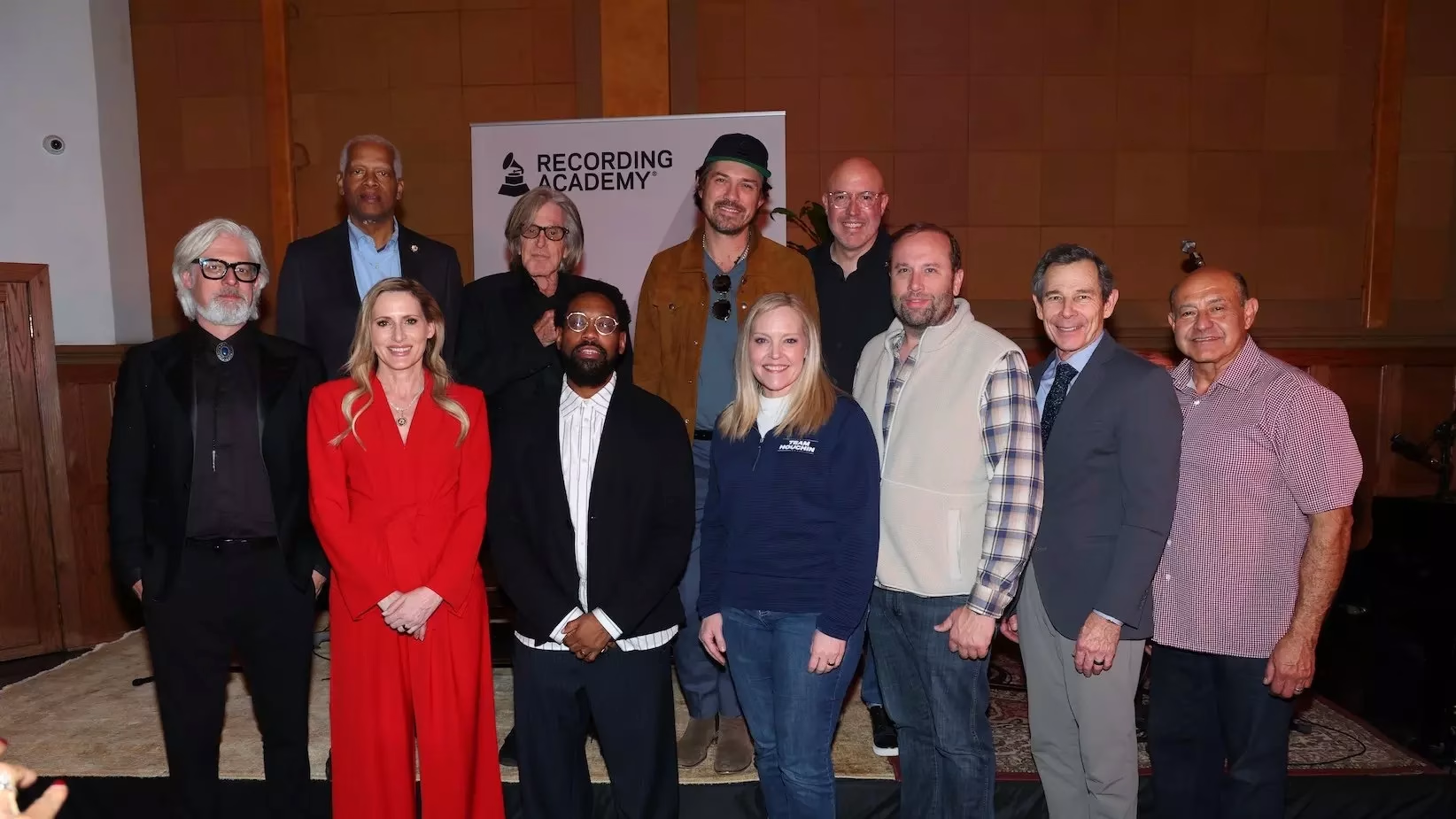
This year's Grammy Week marked a defining chapter for the Grammy organization's Advocacy initiatives. Through impactful briefings and meaningful engagement with members of both Congress and the Recording Academy, the Academy's Advocacy team amplified the urgent issues impacting music creators today, from the rapidly evolving role of artificial intelligence (AI) to the policy considerations shaping the future of music.
Advocacy programming began Thursday, Jan. 29, at Grammy House with "Forging Tomorrow's Music Landscape Today," a dynamic panel conversation moderated by Recording Academy CEO Harvey Mason jr. The standing-room-only event brought together Grammy-winning artist, tech entrepreneur, and futurist will.i.am; six-time Grammy-nominated bluegrass musician Sierra Hull; and emerging Christian hip-hop artist Miles Minnick. The discussion focused on the accelerating impact of AI on music creation and examined the responsibility of the industry to ensure that technological advancement is matched by meaningful protections for artists.
Will.i.am urged the Academy to champion stronger safeguards around artists' likeness and estate rights, particularly as technology enables increasingly sophisticated digital replication. He also cautioned against chasing algorithm-driven trends or short-term viral success, emphasizing that creativity should not be confined to what platforms reward. "Humans have to decide what's sacred to them," he noted, warning that convenience often comes at a long-term cost.
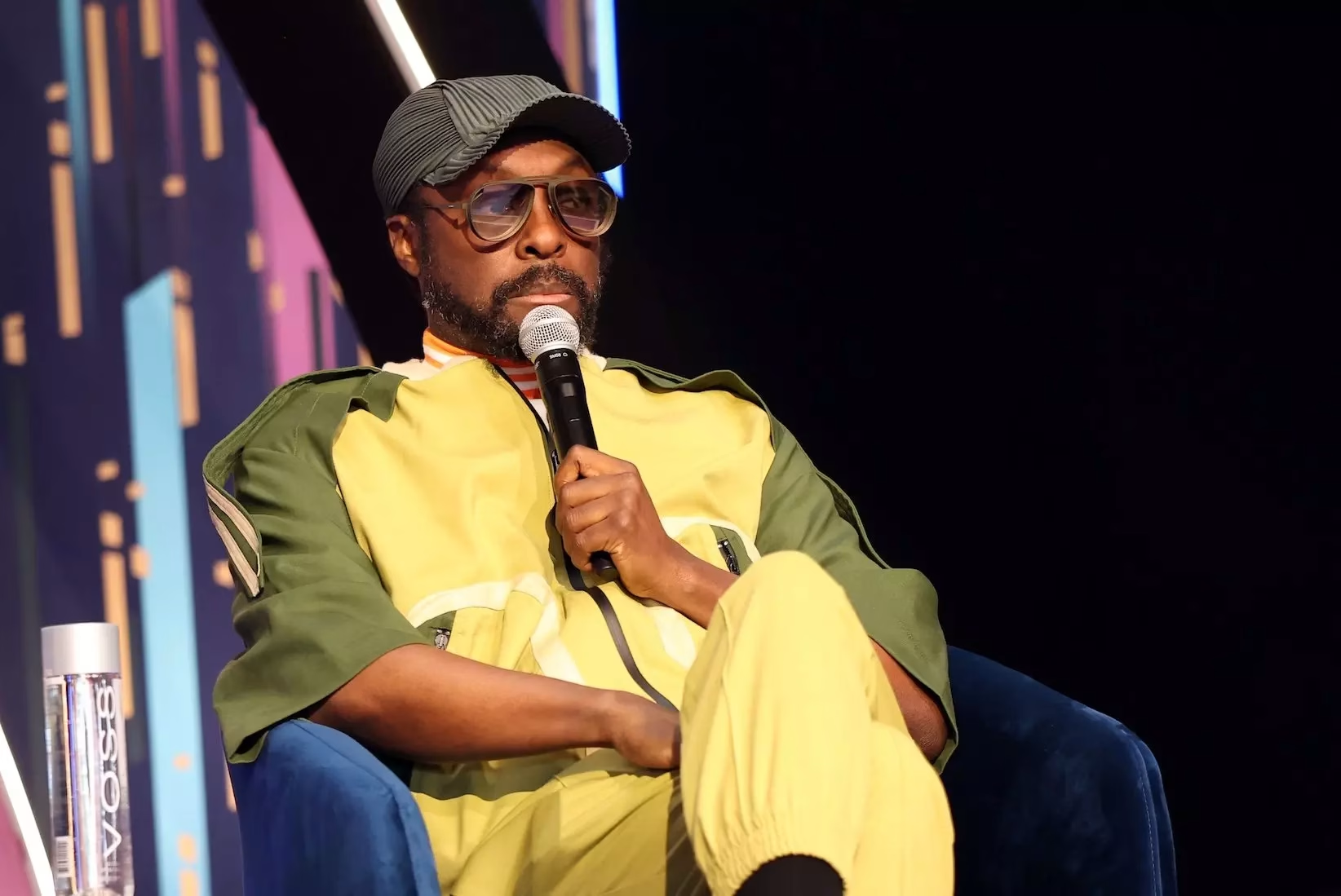
will.i.am speaks onstage during the "Forging Tomorrow's Music Landscape Today" panel at Grammy House during Grammy Week 2026 on Jan. 29, 2026, at Rolling Greens in Los Angeles, California | Photo: Monica Schipper/Getty Images for The Recording Academy
Mason jr. emphasized the Academy's proactive efforts to shield creators from the emerging risks associated with AI. "At the Academy, we've been working on legislation that protects artists' name, likeness, and voice and making sure people can't take your voice without your approval," he said, pointing to the organization's support of the NO FAKES Act, an Academy-endorsed bill intended to curb the unauthorized creation and distribution of AI-generated digital replicas. Mason jr. remained optimistic about the creative community's strength and adaptability: "I think there will be disruption with AI, but I believe people will learn to persevere."
On Saturday, Jan. 31, the day before the 68th Grammy Awards, members of Congress and their staff were invited to attend Up Close With Grammy Nominees, an intimate briefing that paired policy discussion with live performances. Moderated by the Recording Academy's Chief Advocacy & Public Policy Officer Todd Dupler, the lineup of conversations featured six-time Grammy winner PJ Morton, two-time Grammy winner Molly Tuttle, and entertainment attorney and Recording Academy Memphis Chapter President Tim Kappel. Together, they offered insight into the creative process behind this year's Grammy-nominated work, real-world challenges facing today's music professionals, and emerging legal issues impacting copyright law. The program included special performances from Morton and Tuttle, who were both nominated at the 68th Grammy Awards, reinforcing the vital importance of human talent at the center of these policy conversations.
Attendees also received a guided tour of the historic Village Studios, where legendary artists like Bob Dylan, Pink Floyd, The Rolling Stones, Alicia Keys, and Lady Gaga recorded some of their most celebrated projects — a powerful reminder of music's enduring cultural legacy and economic impact.
Grammy Sunday began with a second congressional briefing — Behind The Scenes At The 68th GRAMMY Awards — which offered lawmakers an exclusive, backstage perspective on the morning of the telecast. The session further underscored the intersection of artistry, industry, and policy at a pivotal moment for creators.
The participation of members of Congress throughout Grammy Week reflects growing bipartisan recognition of music's cultural significance and economic impact. By engaging directly with artists and industry leaders, lawmakers gain valuable insight into the opportunities and challenges shaping today's creative economy.
These collaborations reinforce the importance of thoughtful legislative action to protect the rights, livelihoods, and futures of music creators. Through continued partnership with Capitol Hill, the Recording Academy is celebrating artistic excellence while also advancing a policy framework that ensures music — and those who make it — can thrive for generations to come.
