
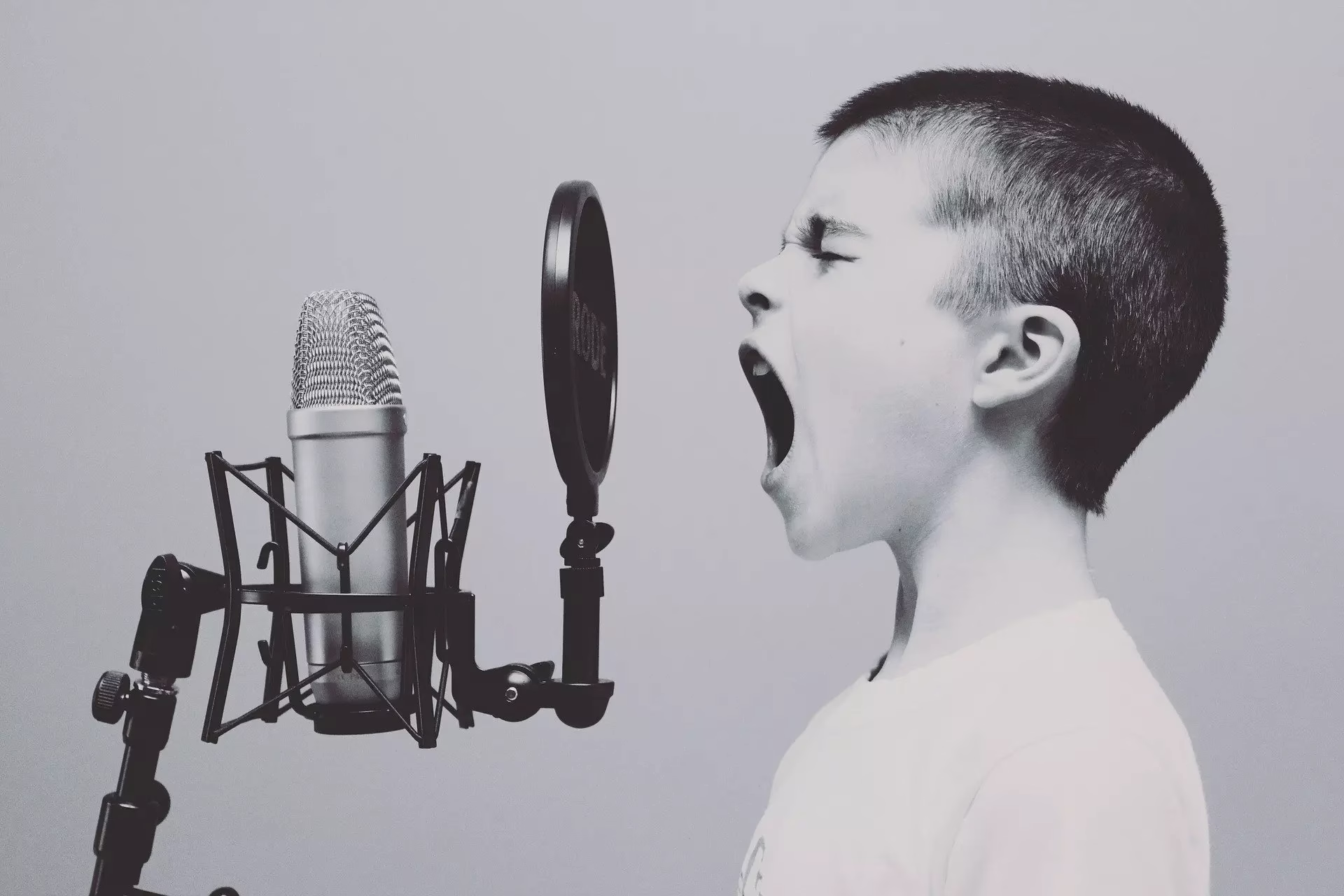
There is no shortage of research that indicates music can have an indelible impact on a child's life. Take for example the fact that children who are immersed in music often develop stronger language skills, have more emotional empathy toward others and turn into creative thinkers. These benefits just scratch the surface.
Music Together, an early childhood music and movement program for children from birth through age eight, observes March as Sing With Your Child Month, the perfect time to bring a little extra music, and its benefits, to a child's everyday life.
"It is not important that [parents] sing perfectly; it is important that they model the enjoyment of making music," said Music Together founder/director Kenneth K. Guilmartin. "Singing together doesn't cost a dime, it requires no special skills and it can have a tremendous impact on development."
There are simple ways you can bring more music into a child's life at any age, anywhere. Whether that's making a symphony out of a regular walk, turning car rides into a concert, or getting a head start on music theory, here are five of many ways to jump in and get started. If your child sees you listening to music, smiling, and feeling it, that simple moment can change their future.
1. Listen Together While You Go For A Walk
Classical composer Ludwig van Beethoven went for walks and felt the sounds of the wind, birds and the world around him, which he then turned into amazing classical music. This is an example you can mimic with your child. A simple exercise like listening to the outdoor sounds around you on a walk outdoors can help children recognize that music is all around us. You can take this a step further and add to the symphony happening around you by turning walking into clapping, stomping or vocalizing.
<iframe width="620" height="349" src="https://www.youtube.com/embed/rOjHhS5MtvA" frameborder="0" allow="autoplay; encrypted-media" allowfullscreen></iframe>
2. Move Your Feet To The Rhythm
For children, feeling music in the body helps them develop a strong connection with the art form. Dancing is a great way to feel music inside. Although the sound waves make us vibrate no matter what, low vibrations like bass strings or stomping enable us to feel that long low wave pass through us. Experiment with different types of music and move along with your child to what you hear. Feeling a rhythm while moving around is a good influence for wellbeing, feeling in control, and to start singing with phrasing and emphasis.
<iframe width="620" height="349" src="https://www.youtube.com/embed/y6Sxv-sUYtM" frameborder="0" allow="autoplay; encrypted-media" allowfullscreen></iframe>
3. Turn Car Rides Into Concerts
Whatever your team in the car can agree to listen to, make the most of drives as group musical experiences. Go for a wide variety of genres, showing children a wide-ranging appetite for all genres from classical to hip-hop, pop, rock, and jazz. Musicians spend their lifetimes returning to single songs from the American songbook, harvesting new insights into life while finding fresh things that can be done with old classics. Sing along, clap and shimmy in your seats. Johann Sebastian Bach's family sang in on-the-fly four-part harmony at parties, making quite an impression on the young composer. Not only will the music make the drive go faster, you'll all be indulging in the benefits of music.
<iframe width="620" height="349" src="https://www.youtube.com/embed/KDFCah-xwYY" frameborder="0" allow="autoplay; encrypted-media" allowfullscreen></iframe>
4. Get A Head Start On Music Theory
Scales, octaves, fifths and other intervals, measures, ways of counting, not to mention polyphony, accidentals and dynamics, will all sound like Greek to most people, but these are the building blocks of music. Though it's not necessary to learn music theory to participate in music, giving your children a head start on music theory can bring out some of the cognitive benefits of music and provide a solid foundation for advanced music study if children choose it later in life. Find a colorful music theory app and turn learning the language of music into a game you and your child can learn together.
5. Spend A Lifetime Enjoying Music
Sharing music with children can create memories they will cherish for a lifetime. Keep sharing your own love of music with children to instill a sense of appreciation and curiosity that will lead to a lifetime of music participation, whether it's children sharing their love of music with the next generation or pursuing a professional music career. It all starts with parents. The beat goes on. Stick with it and it will stick with you.
