
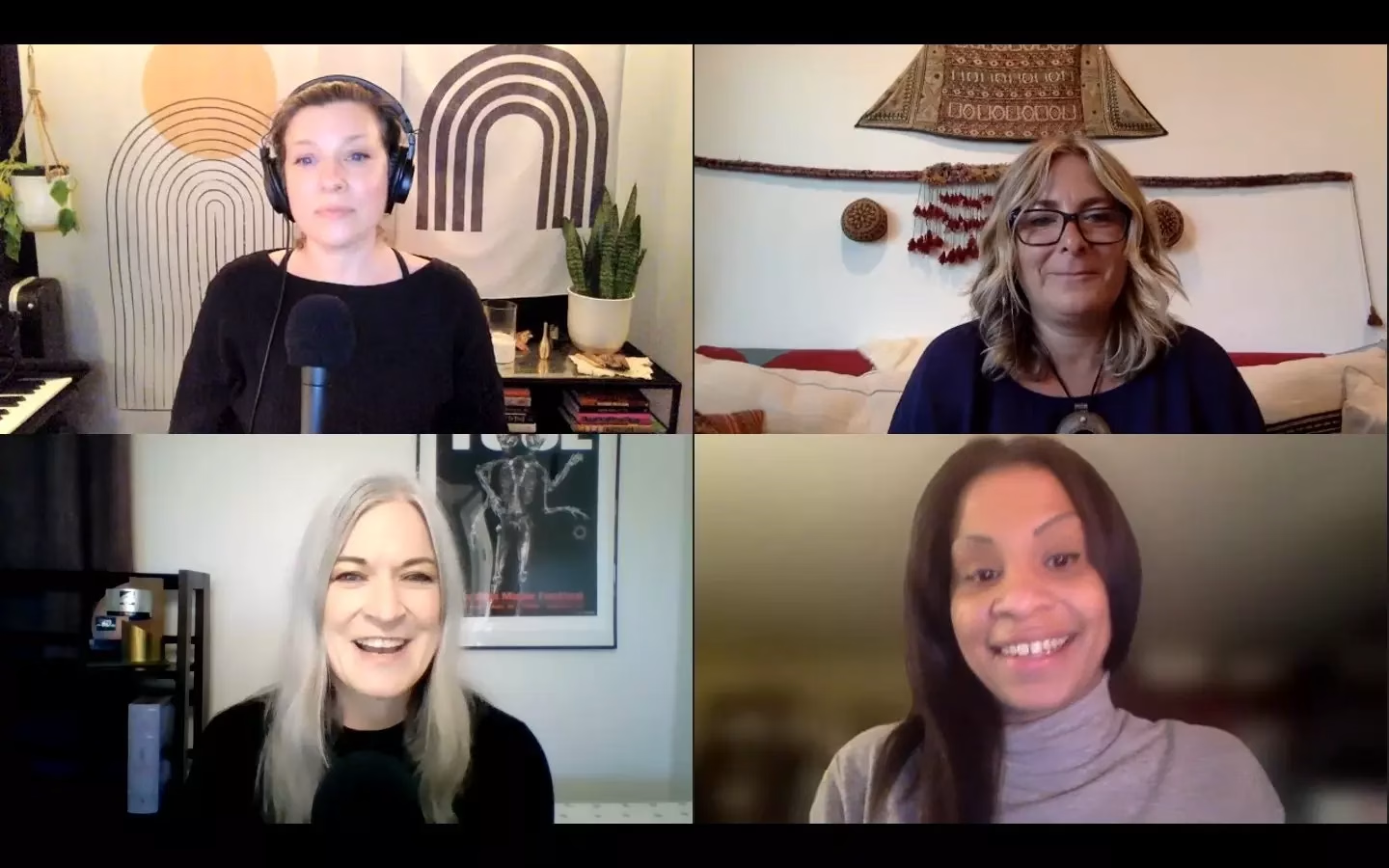
In honor of Women's History Month, Mary Jo Kaczka, tour manager for Florence & the Machine and Tool; Ina Jacobs, Music Touring, Financial Analytics of Global Touring and Live Events for Creative Arts Agency; and entertainment coordinator Ashley Lomax sat down for a virtual panel during GRAMMY U's Industry Insights: Women in Touring webinar on March 31. The event, moderated by SHEROES podcast host, Carmel Holt, delved into the panelists' experiences on the road and offered advice to students who also want to be on the frontlines of live music.
The music business is multifaceted and gaining skills in each sector is beneficial to becoming a powerful player in the industry's operations at large, especially now as COVID-19 is changing the live music experience. The discussion cemented that in tour managing, having the role means being a "Jane-of-all- trades" as well as having proficiency in negotiation jargon, project management and production is important because responsibilities may depend on the tour— regardless of size; be it a small club venue or a sold-out arena.
Here are seven takeaways from the Recording Academy's GRAMMY U Industry Insights panel that can help students build their careers.
Adapting Your Skills Is Key
Mary Jo Kaczka, who has worked as a tour accountant and a manager for arena shows, reflected on the times she held multiple roles at small and large venues. While working on show advancements, or settling shows, you may also have to vet vendors or build budgets, which utilize skills within project management, another section of the music industry, she said. Each tour may require different responsibilities, so it is important to diversify your skill sets to adapt to these changes. “There's no real one way to do anything in this business,” she said.
Find Your Allies
Entertainment coordinator Ashley Lomax, a former VIP Coordinator at Live Nation and domestic and international tour manager for Dominic Fike, said she entered her roles with caution because she expected a lot of sexism since touring is a male-dominated sector of the music business. "I think I walked in with the assumption that it was going to be overly sexist," she said. However, she felt fortunate to experience a welcoming environment from her male counterparts. She had realized that it was more important to remember that she got hired to go on tour because of the work she was well capable of doing and for her independence.
Educate Yourself Through Curiosity
From One Direction to John Mayer, Ina Jacobs has worked sold-out stadiums and arenas as a touring manager and tour accountant. She now works at CAA in global touring and live events. She listed curiosity as a driving force in her work. As a result, she’s a go-to for her colleagues when it comes to problem-solving. It is how she established her position as a tour accountant, which includes auditing. Auditing requires a detailed analysis of expenses, so she was forced to be curious in learning about her new role. If you trust your intuition, have curiosity, and be solution-oriented, it will go a long way in leading you towards being the smartest person in the room.
Learn Everything
Kaczka, Jacobs, and Lomax discussed their wide-spread knowledge of the music industry and how it has given them leverage in their positions. "My only way to really level up was to learn everything," Kaczka said. When Kaczka was younger, she started asking a lot of questions to her more experienced colleagues, which helped promote her because she learned how to look at budgets, routings, and settle shows at a young age. Communicating all she learned led her to hold power in a room of older males who had more than 15 years working in the industry than she did.
Be Comfortable Working With All Kinds Of People
Even if you find yourself working a local club show or an arena overseas, Kaczka mentioned the importance of getting along with people. Tours operate successfully by using all human bandwidth available, so learning how to work with people with different work styles is vital to sustaining a successful tour for what may be several months out of the year.
Lomax echoed Kaczka by sharing that having a sense of understanding, and adaptability, is crucial when working shows every day. Having a psychological understanding of behavior and attitudes is important and goes beyond working with just an artist. A lot of tour managing roles come with interacting with fans. If a fan is upset about their seats or an artist is requesting an item on short notice, having the ability to think from their standpoint will help you quickly find ways to approach the issue and present more choices of solution. In doing so, people will want to offer you more opportunities because of your ability to think outside of the box.
Be Open To Learning From Any Job
Jacobs emphasized that networking in live touring, before the COVID-19 pandemic meant going to shows, meeting the people attending and asking to be in the room when the show settlements happened or during important meetings, if you had an internship. There are smaller roles within touring that are just as important and beneficial, such as being a runner, because you come in contact with all the moving parts of live show production. It also gives you a chance to demonstrate your work ethic.
As live shows begin to crawl back into operating at full speed, the timing to jumpstart your live touring career is perfect. You can take charge of your career now by browsing educational or volunteer opportunities from local initiatives led by organizations like Reverb, a nonprofit that assists music tours with environmental sustainability, or by joining She Is The Music, a global nonprofit network that seeks diversity, equity, and inclusion for women.
Having these resources under your belt will help you secure opportunities to join an artist on their long-awaited tour once live music is fully welcomed back into our lives.
For more information on how to join GRAMMY U, visit the Recording Academy's membership website.
Tayla Parx Shares Industry Advice During Her GRAMMY U Masterclass
